

Tourism as a Profession: Applied Learning, Real-World Experience and Careers Without Borders
The hospitality industry is one of the largest in the world, but many confuse the study of tourism with the simple pleasure of traveling. How would you define the essence of your programs? What does a student learn here about hotel management or tourism logistics that they couldn’t learn just by working in the field?
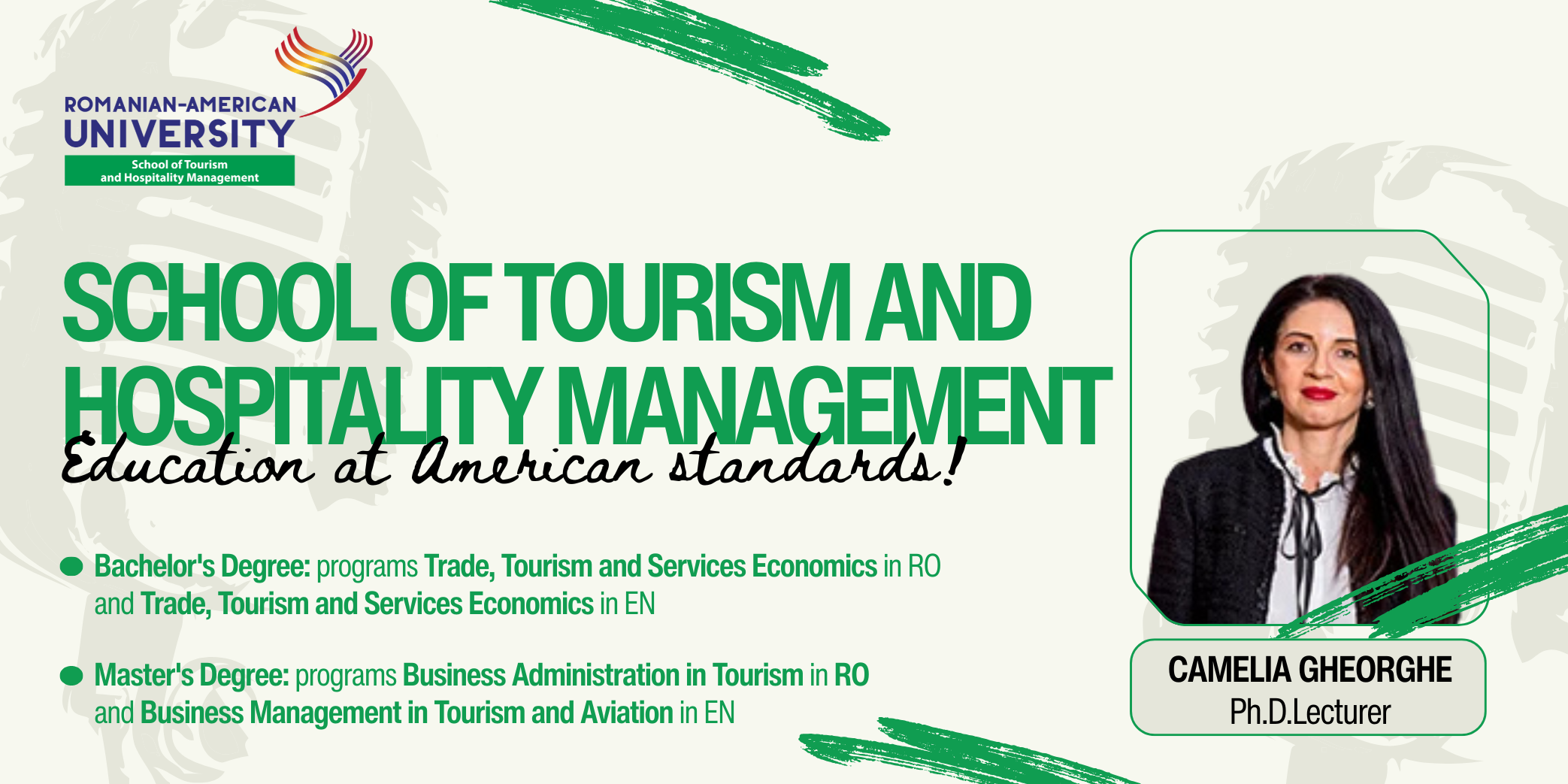
At our school, the essence of tourism and hospitality programs is not just about the pleasure of traveling, but about the ability to transform travel into a meticulously designed, sustainable, and profitable experience. Here, a student learns the secrets of a hotel or a travel agency, but also how a business operates within a complex ecosystem: business models, financial management, marketing, human resources, quality, and customer experience, all tailored to the specifics of the industry. In addition, we place a special emphasis on the big picture: travel logistics, coordination between key players, management of tourist flows, seasonality, and risks – aspects you don’t notice when working in just a single department. What differentiates the university education we offer here is precisely this integrated, critical, and future-oriented approach, which helps students understand not just “how it’s done,” but also “why” and “how it can be done better” in a global and highly competitive industry.
The Romanian-American University places great value on the practical side. Within the school, how are the applied courses structured?
At TMO, the applied component is not a “supplement,” but an integrated part of every study program. Courses are designed so that theoretical concepts are translated into projects, case studies, simulations, and exercises inspired by real-world situations in tourism, hospitality, and aviation. That is why we constantly work with industry partners – hotels, airlines, travel agencies – who bring current case studies, business briefs, and internship opportunities to our students. In parallel, internships, study visits, and involvement in national and international projects allow students to test on the ground what they learn in class, so that upon graduation, they thoroughly understand both “what the textbook says” and how the industry actually works.
What type of young person is this school suited for? What qualities are you looking for in a future student?
Our school is suited for young people who want to see the world, but also to understand it and shape it through fascinating experiences. It is the right place for those who want a career where they are always on the move, working with people from different cultures, and transforming hospitality, tourism, and aviation into a meeting space between profession and passion.
We are looking for curious young people with an open mind and a genuine desire to learn, who are not afraid of responsibility and the fast pace of such a complex industry. We want students who know how to listen and communicate, who work well in a team, are attentive to details, and want to do things “by the book,” but also with heart. In particular, we welcome those candidates who see in tourism and hospitality both a passion for travel and a path for personal and professional development, where they can leave their mark on how the travel experiences of future generations will look.
In a globalized environment, knowledge of the English language is mandatory, but not sufficient. How much emphasis do you place on learning two or three foreign languages during university and on developing intercultural communication and diplomacy skills, which are essential for working with tourists from all corners of the world?
Knowledge of the English language is just the starting point, not the destination. We strive for our students to develop solid skills in at least one more language of international circulation and, equally important, a genuine attitude of openness toward other cultures. We talk a lot about real situations in tourism, about how you adapt your speech and behavior depending on the interlocutor, and we encourage contact with international environments so that our graduates feel comfortable and credible in front of tourists from any corner of the world.
Tourism cannot be learned by staying in one place. This is perhaps the field with the greatest opportunities to see the world. What partnerships do you have for internships that students can access?
We are fully aware that tourism is not learned from an amphitheater, so we treat practice as an essential component of training. We have partnerships through which students reach hotels, aviation companies, tour operators, and companies specialized in event management, both in Romania and abroad, experiencing firsthand the compliance with professional standards in very different contexts. We are interested in making these internships relevant for them, helping them clarify their professional path, and leaving with contacts, recommendations, and even their first real job opportunities.
Beyond courses, the event industry is a huge component of hospitality. Do students have the opportunity to get involved in organizing real events within the school or alongside partners, thus learning event management through direct experience?
Yes, for us, the event industry is an extraordinary learning ground, so we take students out of the spectator role and put them in the middle of the action. Thus, they have the opportunity to get involved in organizing conferences, galas, corporate events, or special projects alongside our partners in tourism, aviation, and hospitality, being part of the team that designs the concept, coordinates suppliers, and ensures that every guest enjoys a unique experience. In such contexts, they learn event management “on the fly,” test their limits, discover their strengths, and build a portfolio of real experiences with which they can convince any employer in the field.
The staff shortage in HoReCa is an intensely discussed topic. How close is the connection with the major players in the market – international hotel chains (Marriott, Hilton, Radisson, etc.) or travel agencies? Do these employers come to recruit directly from the school, offering management trainee positions for graduates?
The staff shortage in HoReCa has made the relationship with major employers closer than ever, and we take advantage of this context for the benefit of our students. We are in constant dialogue with hotel chains and major companies in tourism, which frequently come to the school for career presentations, recruitment sessions, and management trainee programs dedicated to young graduates. For many of our students, the transition from the classroom desk to the first job in the industry happens precisely through these direct meetings with employers, where they can stand out and find a place in a major company while still in school.
For parents wondering about the professional future of their children, what is the spectrum of possible careers? Does graduating from this school prepare them only to work in hotels, or does it also open doors toward aviation, corporate event organization, tourism consulting, or hospitality entrepreneurship?
For parents, the key message is that we are talking about a field with many doors, not a single professional corridor. Yes, hotels remain one of the natural options, but besides them, our graduates work in travel agencies and tour operators, airlines and airports, companies that organize corporate events, in destination development and promotion projects, tourism consulting, or launch their own businesses. Practically, the training we offer prepares them both for operational and coordination roles, as well as for entrepreneurial pathways, so that everyone can build a path compatible with their profile and ambitions.